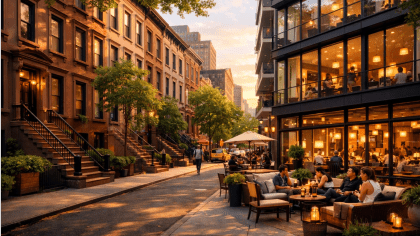
SoHo is not just a neighborhood. It is a mood, a statement, and for many people, a lifestyle goal. Tucked between Lower Manhattan’s busiest districts, SoHo has managed to reinvent itself again and again without losing its edge.
In 2026, it remains one of New York City’s most desirable places to visit, shop, eat, live, and get inspired.
This guide is written for curious travelers, creative professionals, young entrepreneurs, and anyone who wants to experience SoHo beyond surface-level recommendations.
From its industrial roots to its role as a global fashion and art hub, this article walks you through everything you need to know about SoHo today.
Quick Summary
This article offers a complete and up-to-date guide to SoHo, New York, in 2026. It explores the neighborhood’s industrial origins and its evolution into a global center for art, fashion, and culture.
Readers learn about SoHo’s creative scene, from galleries and street art to studios and cultural spaces. The guide covers shopping in depth, including luxury brands, independent boutiques, and lifestyle stores.
Dining options are explored across cafés, restaurants, and nightlife venues, highlighting SoHo’s culinary diversity.
Architectural features such as cast-iron buildings and loft interiors explain what makes the neighborhood visually unique.
The article also examines nightlife, landmarks, real estate trends, transportation access, and annual events. Overall, it provides a clear picture of what it is like to visit, live in, and experience SoHo today.
History of SoHo
SoHo stands for “South of Houston Street,” but its identity goes far beyond geography. In the mid-19th century, the area was an industrial powerhouse filled with factories, warehouses, and cast-iron buildings. Textile manufacturing, printing, and metalwork dominated the streets, and few people considered it a residential area.
By the mid-20th century, industry declined, and many buildings were abandoned. Rents dropped, spaces sat empty, and the neighborhood entered a period of uncertainty. This decline unexpectedly created opportunity.
The Artist Migration
In the 1960s and 1970s, artists began moving into SoHo’s large, light-filled lofts. These spaces were ideal for studios and experimental living. At the time, living there was technically illegal, but the creative community transformed the area into a cultural hotspot.
Galleries followed artists, and soon SoHo became the center of New York’s contemporary art scene. This era shaped the neighborhood’s reputation as bold, unconventional, and creatively fearless.
Gentrification and Global Fame
By the 1990s and early 2000s, SoHo’s popularity attracted luxury retailers, international brands, and real estate investors. What was once an underground art enclave became one of the most photographed and visited neighborhoods in Manhattan.
In 2026, SoHo balances its artistic heritage with high-end commerce, maintaining its reputation as both edgy and aspirational.
Art and Culture Scene
While many trendy galleries have moved to Chelsea or the Lower East Side, SoHo still hosts influential art spaces. These galleries often focus on emerging artists, experimental installations, and cross-disciplinary work that blends fashion, design, and visual art.
Walking through SoHo, it is common to stumble upon pop-up exhibitions or temporary installations in unexpected spaces.
Street Art and Urban Expression
Art in SoHo does not stay behind closed doors. Murals, window displays, and conceptual storefront designs turn the neighborhood into an open-air gallery. Brands often collaborate with artists, blurring the line between commerce, culture and entertainment.
This constant visual evolution keeps SoHo feeling fresh, vibrant, even for repeat visitors.
Creative Institutions and Studios
Beyond galleries, SoHo is home to photography studios, design firms, fashion ateliers, and creative agencies. The neighborhood attracts people who work in visual storytelling, branding, and digital media, reinforcing its status as a creative hub.
Shopping Destinations
SoHo is one of the most important shopping districts in New York City. Major international brands choose SoHo for flagship stores that feel more like art spaces than retail outlets.
Luxury fashion, streetwear, and contemporary labels coexist on the same blocks, making it easy to move from high-end to cutting-edge in minutes.
Independent Boutiques and Concept Stores
Beyond big names, SoHo thrives on independent boutiques. These stores curate unique collections, often featuring local designers or limited-edition pieces. Concept stores combine clothing, books, art objects, and lifestyle products into carefully designed spaces.
Shopping in SoHo often feels personal and exploratory rather than transactional.
Beauty, Lifestyle, and Home Design
SoHo also leads in beauty and lifestyle retail. Skincare brands, fragrance studios, and minimalist home design stores dominate quieter streets. These shops focus on experience, offering consultations, workshops, and immersive interiors.
Dining and Culinary Experience
SoHo’s cafe scene is strong, diverse, and constantly evolving. Independent coffee shops sit alongside stylish bakeries and specialty espresso bars. These spaces attract freelancers, creatives, and visitors looking to slow down between shopping stops.
Many cafes double as social hubs where conversations, meetings, and quiet people-watching blend seamlessly.
Trend-Driven Restaurants
Dining in SoHo reflects global trends. You will find modern Asian fusion, Mediterranean-inspired menus, plant-forward concepts, and experimental tasting experiences. Restaurants here prioritize atmosphere as much as food, making every meal feel intentional.
Menus change often, keeping repeat visits interesting.
Late-Night Dining Spots
Unlike many neighborhoods, SoHo offers solid late-night dining options. Whether it is upscale comfort food or sleek cocktail lounges with full menus, the neighborhood caters to night owls and post-event crowds.
Architectural Highlights
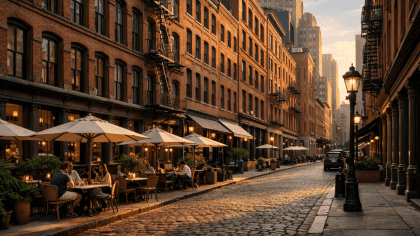
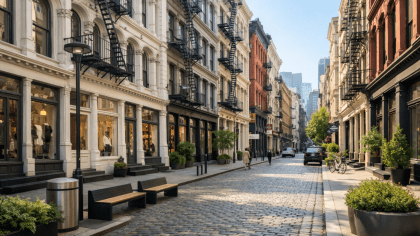
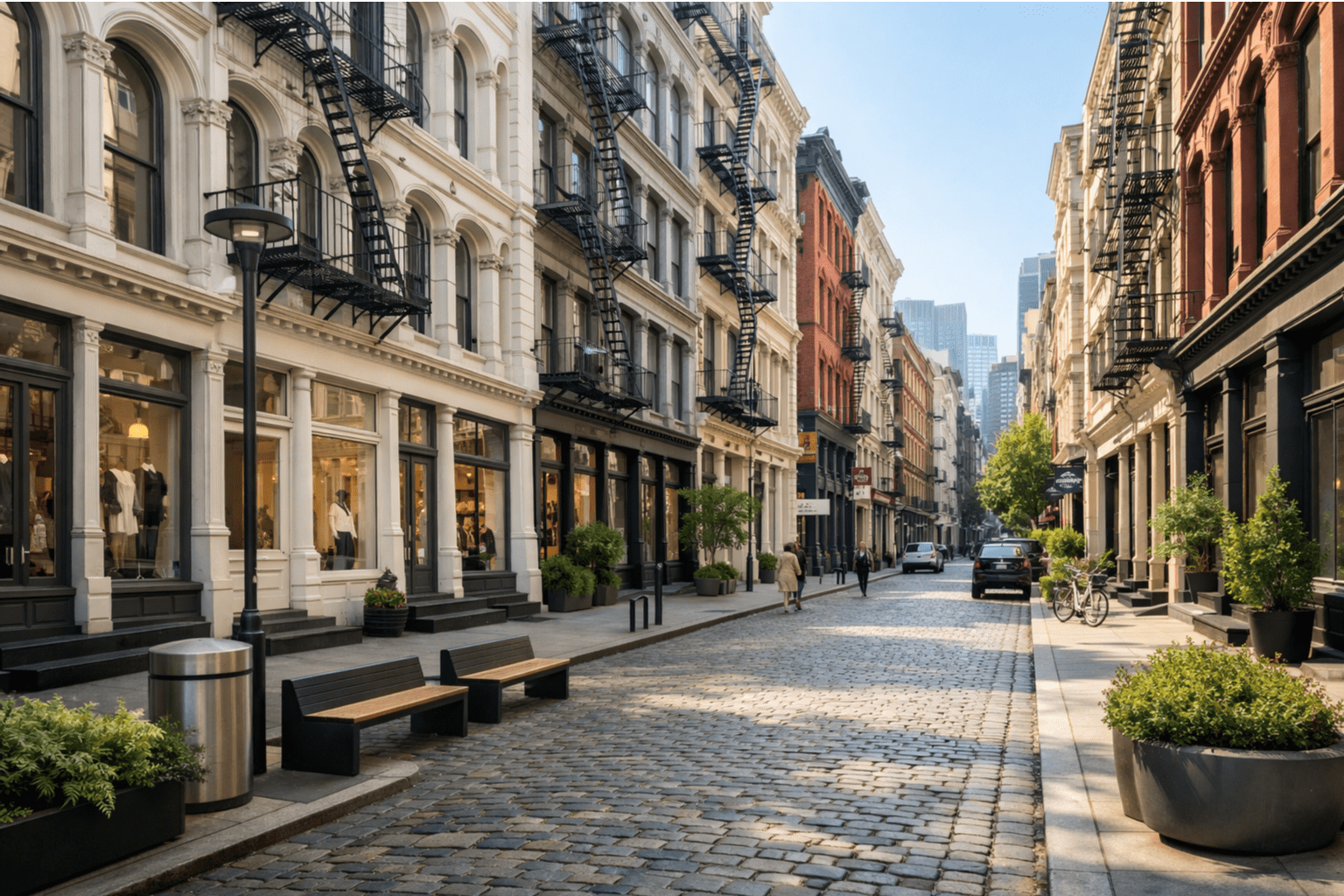
SoHo is famous for having the largest collection of cast-iron architecture in the world. These buildings feature decorative facades, large windows, and strong structural frames that once supported heavy industrial use.
Today, these buildings define SoHo’s visual identity and are heavily protected by preservation laws.
Loft-Style Interiors
Inside, many buildings retain original details such as exposed beams, brick walls, and oversized windows. Loft-style living became a global trend largely because of SoHo’s influence.
Even commercial spaces often preserve these architectural elements, adding character to stores and restaurants.
Historic Preservation Meets Modern Design
Modern renovations in SoHo are carefully regulated. Architects often blend contemporary interiors with historic exteriors, creating spaces that feel both timeless and modern.
SoHo Nightlife
SoHo nightlife leans sophisticated rather than chaotic. Cocktail bars focus on craft, presentation, and ambiance. Many spaces are intimate, making them ideal for conversation and relaxed socializing.
Rooftop and hidden basement bars add a sense of discovery.
Music and DJ Culture
While SoHo is not known for massive clubs, it hosts curated DJ nights, live music sessions, and private events. These experiences attract a crowd that values music quality and atmosphere over spectacle.
Fashion and Industry Events
Nightlife in SoHo often overlaps with fashion launches, gallery openings, and private brand events. Being in the right place at the right time can lead to unexpected experiences.
Popular Landmarks and Attractions
Designated as a historic district, this area protects hundreds of buildings and preserves the neighborhood’s architectural heritage. Walking tours are popular and offer insight into SoHo’s transformation.
Broadway and Prince Street Intersection
This intersection is one of the most photographed spots in SoHo. Cobblestone streets, cast-iron facades, and constant movement make it iconic.
Public Art Installations
Seasonal and temporary art installations appear throughout the neighborhood, often supported by cultural organizations or brands.
Real Estate and Living in SoHo
Living in SoHo is highly desirable, especially for creatives and professionals who value space, design, and location. Apartments often feature open layouts, high ceilings, and historical details.
Real Estate Prices and Trends
SoHo remains one of Manhattan’s most expensive neighborhoods. Prices reflect limited inventory, architectural uniqueness, and global demand. In 2026, demand remains strong, particularly for renovated lofts.
Community Lifestyle
Residents enjoy walkability, access to dining and shopping, and proximity to multiple neighborhoods. Despite heavy tourism, quieter streets still feel residential and private.
Transportation and Accessibility
SoHo is well-connected by multiple subway lines, making it easy to reach Midtown, Brooklyn, and other parts of Manhattan.
Walkability
SoHo is extremely walkable. Most attractions, restaurants, and shops are within a short distance, encouraging exploration on foot.
Cycling and Ride Services
Bike lanes, ride-share availability, and nearby bike rentals make getting around convenient and flexible.
Events and Festivals
Gallery openings remain central to SoHo’s cultural calendar. These events attract artists, collectors, and curious visitors.
Fashion Pop-Ups and Launches
Brands frequently use SoHo for pop-ups, capsule launches, and immersive brand experiences, especially during fashion weeks.
Seasonal Street Events
Seasonal markets, holiday installations, and street performances bring additional energy to the neighborhood throughout the year.