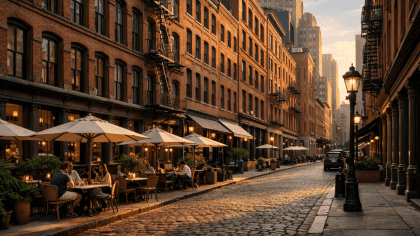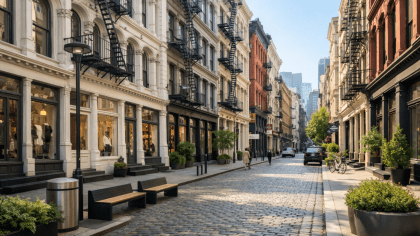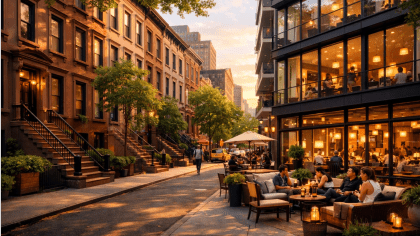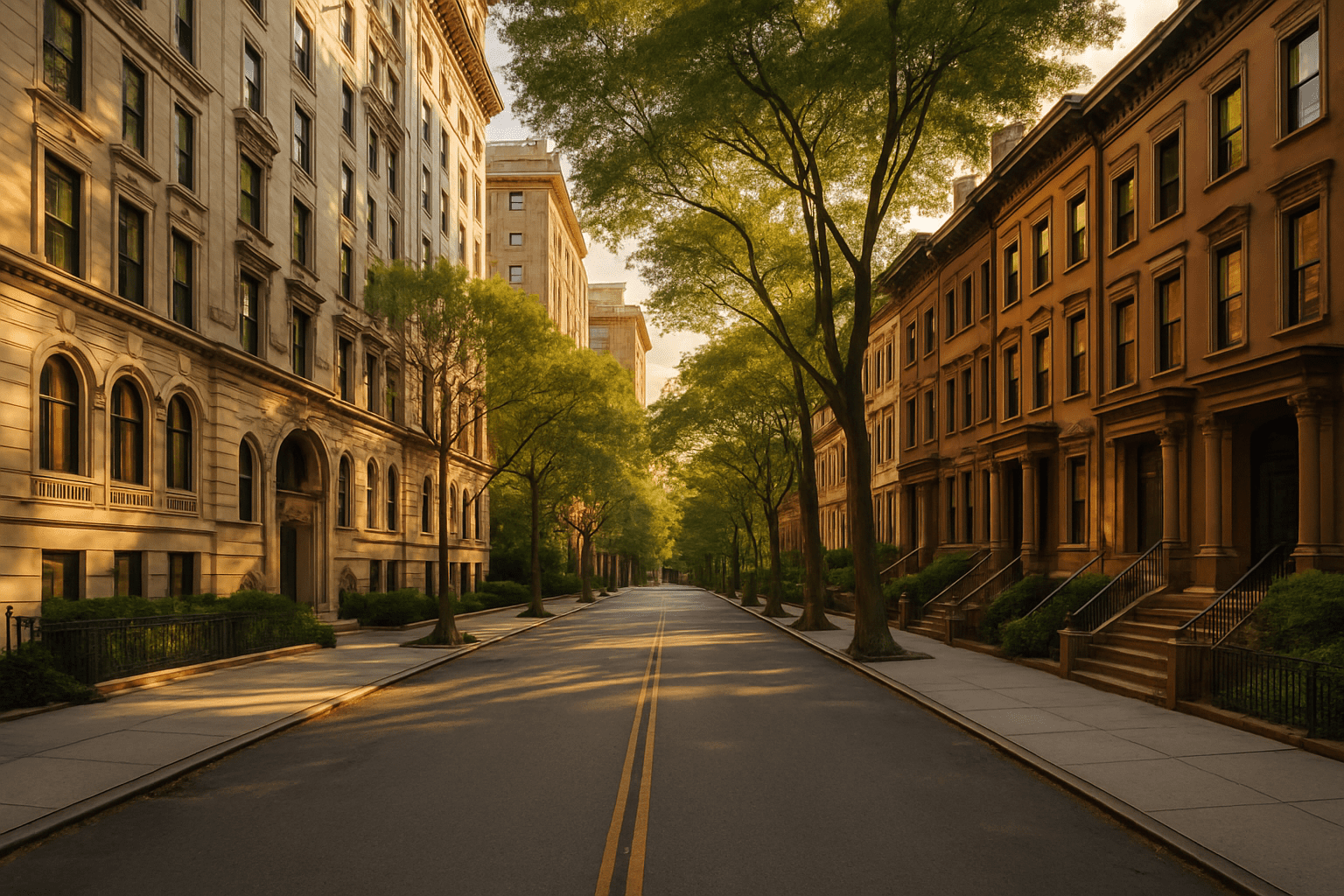
The Upper East Side has long been one of New York’s most recognizable and admired neighborhoods. Stretching from 59th to 96th Street along Manhattan’s east side, bordered by Central Park to the west and the East River to the east, it blends refinement, culture, and history in a way few areas can match.
Known for its affluent residents, prestigious avenues, and rows of classic brownstone buildings, the neighborhood maintains an exclusive yet welcoming atmosphere that continues to draw people from all backgrounds.
Whether you’re considering a move or planning a visit, the Upper East Side offers a mix of elegance, community appeal, world-class institutions, and the energy of an urban environment shaped by generations of New Yorkers.
This guide breaks down everything you should know about the neighborhood, from its storied past to its modern-day lifestyle.
Quick Summary
This guide explores the Upper East Side, one of New York’s most iconic and prestigious neighborhoods known for its cultural institutions, historical richness, and refined lifestyle. It highlights how the area blends its affluent roots with a vibrant urban environment filled with world-class museums, Central Park access, high-end shopping, and classic brownstone architecture.
The article covers the neighborhood’s history, major attractions such as Museum Mile, and its range of real estate options, from exclusive luxury high-rises to more approachable walk-ups.
Readers will also learn about the dining scene, parks, cultural events, education options, and the community atmosphere that makes the Upper East Side a standout destination.
With strong transportation links, high walkability, and a well-established reputation for safety and charm, the Upper East Side remains one of New York’s most sought-after areas to live, visit, and explore.
History of the Upper East Side
Early Development
The Upper East Side began developing in the late 19th century, a period of rapid expansion in Manhattan. Wealthy families established large brownstones and mansions, drawn by proximity to Central Park and the growing reputation of Fifth Avenue as a cultural and social hub.
Gilded Age Influence
During the Gilded Age, the neighborhood became synonymous with luxury. Industrial magnates and prominent families, such as the Rockefellers, Carnegies, and Vanderbilts, built lavish homes that established the area’s elegant identity.
Transformation Through the 20th Century
As the decades passed, older mansions were converted into modern apartment buildings, museums, and cultural institutions. This shift allowed more residents to live in the area, diversifying the community while maintaining its historic architecture.
The Upper East Side Today
Today, the neighborhood blends its historical roots with modern convenience. From heritage buildings to upscale boutiques and newly renovated residences, the Upper East Side remains one of the most desirable places to live in New York.
Iconic Landmarks and Attractions
Museum Mile
Located along Fifth Avenue, Museum Mile features some of the world’s most famous cultural institutions. These museums continue to shape the neighborhood’s identity as a global hub of art, history, and culture.
1. The Metropolitan Museum of Art
The Met is one of the most visited museums in the world. Its massive collection includes ancient artifacts, European masterpieces, American art, and rotating exhibitions that attract visitors year-round.
2. The Guggenheim Museum
Famous for its spiral design by Frank Lloyd Wright, the Guggenheim houses an impressive collection of modern and contemporary art.
3. The Neue Galerie
Specializing in German and Austrian art, the Neue Galerie offers a more intimate museum experience and is known for hosting works by Gustav Klimt.
Central Park Access
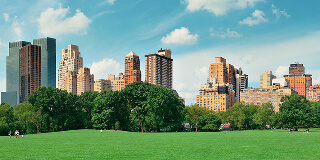
The Upper East Side offers direct access to some of the most peaceful areas of Central Park. Popular spots include the Conservatory Water, the Great Lawn, and the Reservoir running track.
Historic Architecture
Many preserved brownstones, prewar apartment buildings, and beaux-arts structures enhance the neighborhood’s visual charm.
Real Estate and Housing Market
Types of Housing
The Upper East Side offers a diverse blend of housing options, ranging from luxury high-rises to co-ops, townhouses, and more affordable walk-ups east of Third Avenue.
1. Luxury High-Rises
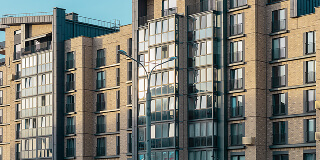
High-rise buildings closer to Fifth and Park Avenues feature full-service amenities like doormen, gyms, rooftop terraces, and concierge services.
2. Co-ops and Condos
Co-ops dominate the real estate landscape. These units often have strict board requirements, making the community stable and long-term.
3. Walk-Ups and Rentals
East of Lexington Avenue, renters can find more affordable walk-up apartments that offer a quieter atmosphere with local charm.
Average Rent and Housing Prices
While prices vary significantly by building type and proximity to Central Park, the Upper East Side generally ranks among the pricier Manhattan neighborhoods. However, compared to areas like Tribeca or SoHo, it still offers greater value for space and amenities.
Dining and Culinary Scene
Fine Dining
The Upper East Side’s food scene mixes classic establishments with creative newcomers. From upscale dining rooms to quiet neighborhood bistros, there’s something for every taste.
Michelin-Rated Restaurants
The neighborhood is home to several Michelin-recognized restaurants offering sophisticated menus, seasonal ingredients, and elegant atmospheres.
Cozy Cafés and Bakeries
Charming cafés, boutique coffee shops, and specialty bakeries line streets like Madison Avenue and Lexington Avenue, perfect for casual mornings or remote work sessions.
International Flavors
The neighborhood features cuisines from around the globe, including Italian, French, Japanese, Mediterranean, and more.
Shopping and Retail Destinations
Madison Avenue
Madison Avenue is synonymous with luxury retail. High-end designers, flagship boutiques, and seasonal window displays attract fashion lovers from across the world.
Local Shops and Boutiques
Small independent retailers add character to the neighborhood. These boutiques include specialty bookstores, handmade jewelry shops, and artisanal home goods.
Convenient Shopping Options
For everyday essentials, residents have access to major grocery stores, pharmacies, and general retailers throughout the area.
Parks and Outdoor Spaces
Central Park’s East Side
Residents enjoy proximity to some of Central Park’s calmest and most picturesque corners. Whether running, picnicking, or relaxing by the water, outdoor enjoyment is always within reach.
Carl Schurz Park
Located along the East River, Carl Schurz Park offers scenic views, peaceful walking paths, playgrounds, and dog-friendly areas. It’s home to Gracie Mansion, the official residence of the Mayor of New York.
Quiet Neighborhood Gardens
Hidden pocket parks and community gardens offer peaceful retreats from the busy streets.
Arts and Culture
Art Galleries
Beyond major museums, the Upper East Side hosts numerous art galleries showcasing contemporary and classic works.
Historic Sites
Historic synagogues, churches, and preserved townhouses tell the stories of generations of residents and the evolution of the community.
Local Events and Exhibits
Seasonal events, gallery openings, public lectures, and cultural festivals keep the neighborhood lively year-round.
Education and Schools
Public Schools
The Upper East Side includes highly rated public schools that attract families seeking strong academic programs.
Private and Independent Schools
Many renowned private schools call the area home, reinforcing its reputation as a family-friendly community with exceptional educational options.
Higher Education Access
Proximity to institutions like Hunter College and easy transportation to major Manhattan campuses make the area ideal for students and professionals.
Transportation and Accessibility
Subway Lines
The neighborhood is served by the 4, 5, 6, and Q trains, making it easy to commute downtown or across the East River. The Second Avenue Subway significantly improved accessibility for residents along the eastern side.
Bus Routes
Multiple bus lines run north-south and crosstown, offering convenient alternatives to the subway.
Walkability
The Upper East Side is highly walkable, with tree-lined streets, well-maintained sidewalks, and easy access to parks and retail areas.
Community and Lifestyle
A Classic Yet Modern Ambiance
The Upper East Side combines timeless elegance with modern energy. Residents enjoy quiet residential streets, family-friendly environments, and well-maintained public spaces.
Who Lives Here
The area attracts families, professionals, retirees, students, and long-time residents who appreciate its balance of tradition and convenience.
Local Community Feel
Despite its reputation for sophistication, the neighborhood maintains a friendly and approachable atmosphere with strong community networks.
Safety and Cleanliness
The Upper East Side consistently ranks as one of Manhattan’s safest neighborhoods, adding to its overall appeal.