New York is one of the biggest, fast-paced cities in the U.S and it enjoys a great deal of in flock compared to some other cities. On a general review pane, New York City is a top-rated city, and so is the cost of living in the city. There is high competition for accommodation, jobs, transportation, food, and other basic necessities.
As a result of the cost of living; the opportunities the city offers; and the facilities it provides, occupants of apartments within the city have different methods of cutting down on the cost of living. They do this while still enjoying the upsides of the city and ensuring that they live within their financial capacity.
One of such ways is working within the state’s epicenter and living in the outskirts of the city. Another one is living in shared homes. These people understand that generally, no single neighborhood will have all the features an occupant needs to live in an ideal neighborhood and as such, one has to make do with the available features in the state and work around others.
It won’t be out of place to say that almost everyone values privacy and would love to stay alone in apartments where they call the shots and do things on their terms. But since it is an expensive option in New York, most people opt for shared living apartments.
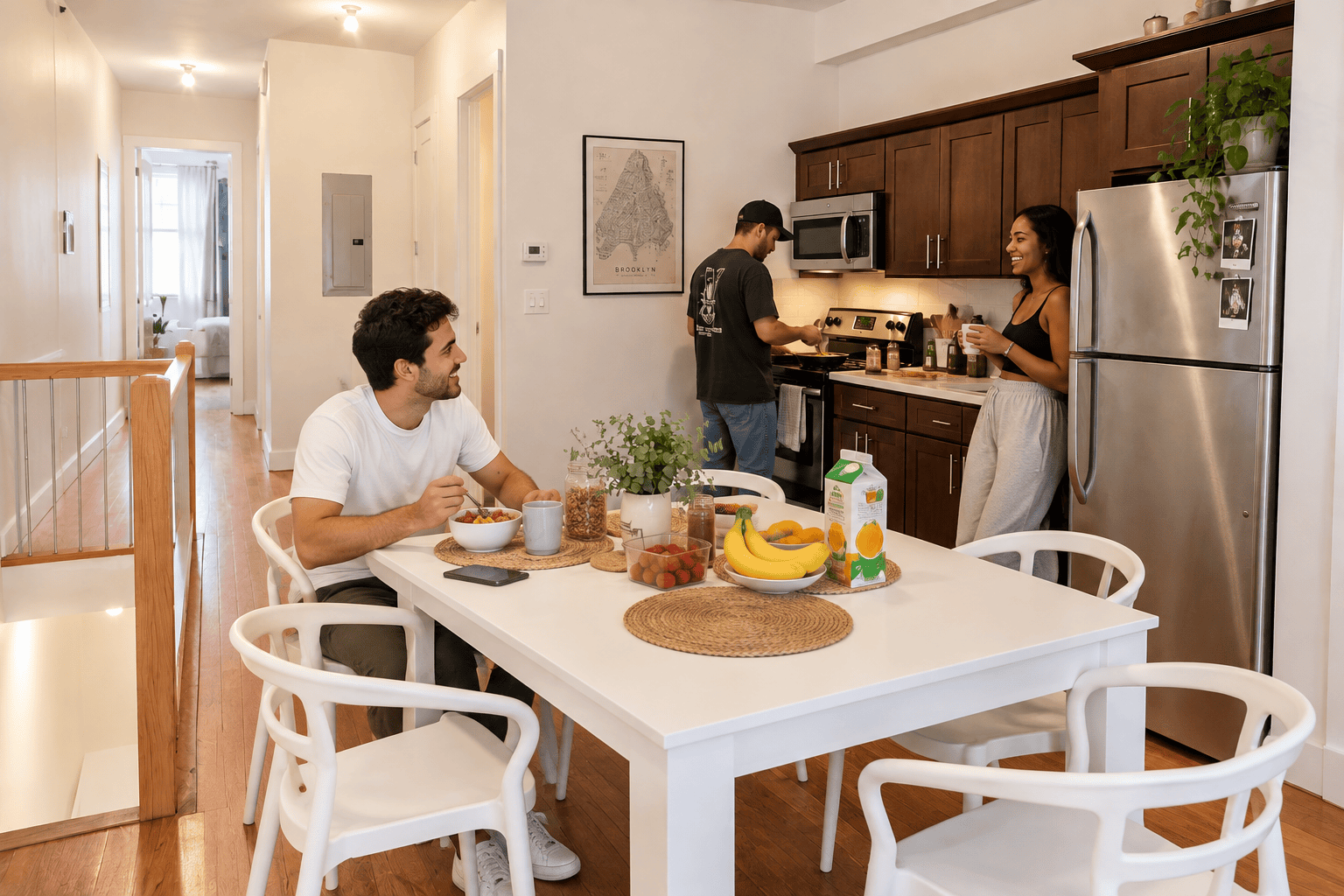
With the shared living apartment occupancy, you can get people with whom you can share the cost of rent, furniture and fitting, house maintenance, and other utilities. Although it might not be the best of renting arrangements, with some of these NYC roommate rules, getting a roommate, or being a roommate to people might turn out to be a good idea.
NYC Occupancy Laws
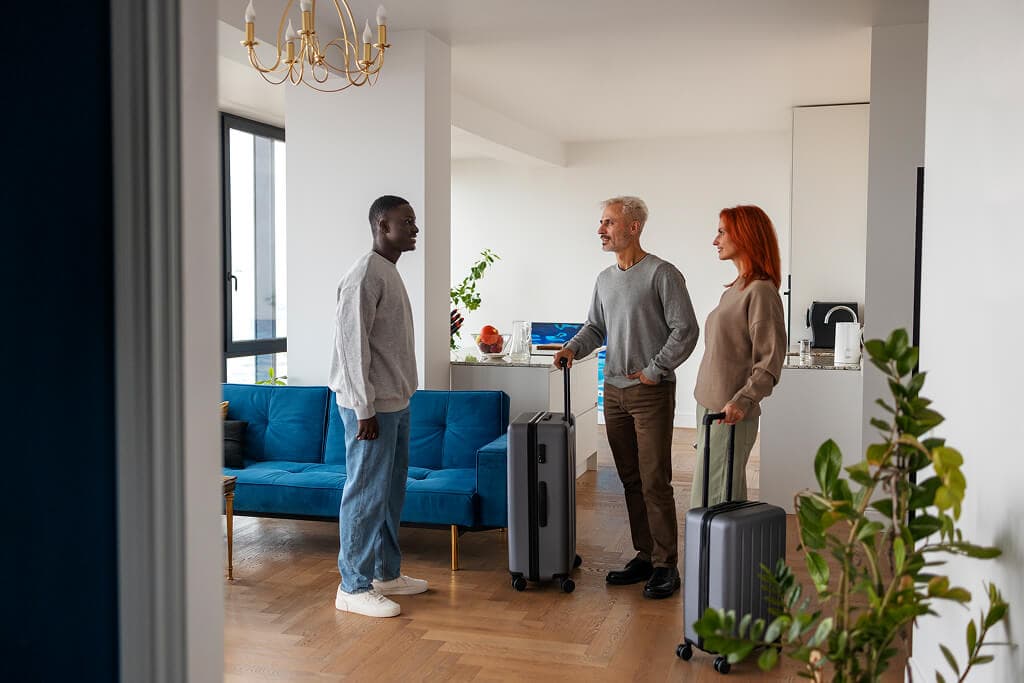
A roommate is recognized as a person who occupies a rented apartment alongside a tenant and is not a temporary guest. Roommates do not bear any relationship by blood or birth to the tenant. Usually, a roommate is not named on the lease but lives in the apartment for a period that is not merely short-term.
According to NYS Homes and Community Renewal (HCR), the state agency which administers the rent laws, the following are rules that govern roommate renting rights and arrangements.
A tenant has the right to take in a roommate and the roommate’s dependent children if he/she is the only tenant named on a lease.
There is a maximum number of occupants or limit for each occupancy. The number of tenants and roommate(s) in a property should not exceed the number of tenants named on the lease. This applies in a situation where two or more occupants live or are named on the lease. In this case, a tenant can only take in people when another tenant vacates the property. The number of roommates that are allowed in the house is equivalent to the number of tenants that vacate the apartment, and this answers the question of “how many people can live in a 2 bedroom apartment or how many people can live in a studio?”
If you live in public housing, subsidized housing, or most subsidized housing occupancy, you do not have a right to have a roommate live with you.
The maximum amount that a roommate can pay is half of the total rent.
A roommate whose name is on the lease agreement is a co-tenant and you both have the same occupancy rights. You can not legally get them off the lease agreement without them breaking a rule that warrants their eviction.
If you receive a rent subsidy (such as Section 8 or FEPS) or a rent exemption (such as SCRIE or DRIE), or if your rent is based on your income, you may be required to report the rent the roommate pays you as part of your income and may cause your income to be too high to qualify for the program. You should be sure to check your program’s guidelines before getting a roommate and be sure to properly report any new roommate(s) to the program administrators.
Some rules also apply in cases where you want to sublease your apartment to new occupants. Learn these rules, live on the right side of the law, and have peace.
Laws on Subleases & Roommates
Before you can sublease your apartment, you have to seek your landlord’s permission in writing. The procedure according to the sublet law is to send your request by certified mail and return the receipt requested. In your written request, include germane information about yourself and the subtenant.
But first, let’s get things right. Subleases and leases are not the same. And this section of the article discusses sublease laws.
If you give your apartment to another person and collect money with the plan to come back to the apartment after a while, then you have subleased.
Most of the time, when people plan to stay out of town for a while, they sublease their apartment to people for the period so that they can have the rent paid for the period that they’ll be away.
Meanwhile, leasing arrangements occur when you give out your apartment without plans to come back. For instance, if you get a job outside your residential city after spending 3 months in an apartment for which you paid rent for a year, you could lease the apartment to people and get your money back. This occupancy arrangement is called an assignment.
After seeking permission, Your landlord has a window period of 10 days to ask for more information about the sublease. If within 30 days of the request, your landlord doesn’t ask for more information, he is obligated to either deny or accept your request. And if he asks for information, 30 days after you provide that information your landlord must make a statement of approval or denial. If you do not get a statement of approval or denial from your landlord within this period, then you can count it as an approval.
One clause to this arrangement is the fact that you will have to pay for any damage made to the apartment whether by you or your subtenant. And you are responsible for rents to the landlord.
Conclusion
If you have rent-related or roommate-related complaints, reach out to NYS Homes and Community Renewal (HCR), or Housing court in New York City. However, from the roommate law stated above, we are quite sure you are now aware of the maximum number of occupants or the occupancy limit for a studio or any other forms of apartment.