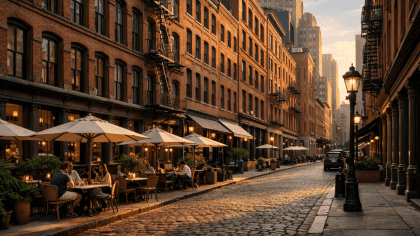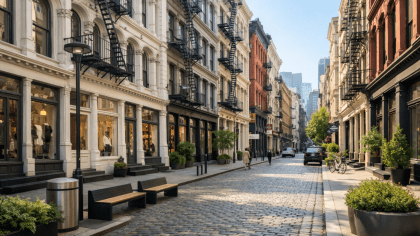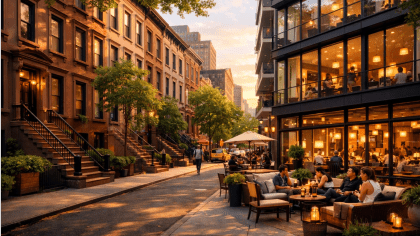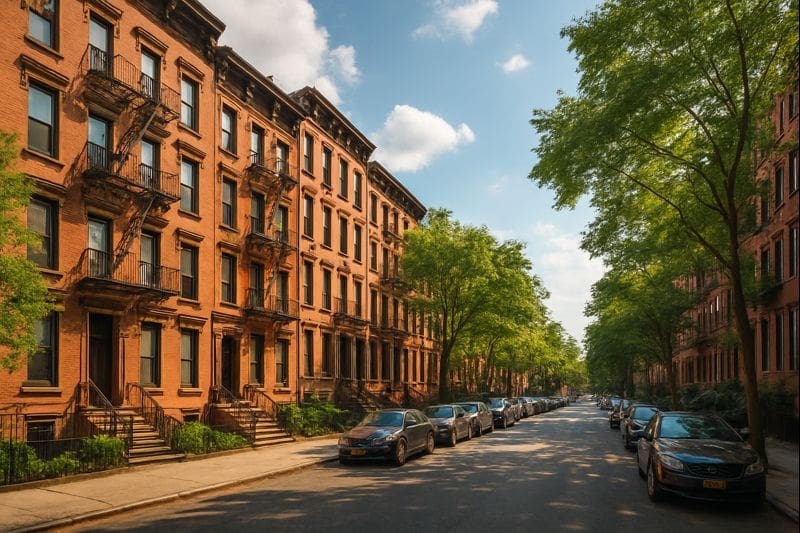
The Upper West Side is one of Manhattan’s most iconic neighborhoods, known for its classic charm, cultural influence, and welcoming atmosphere. Bordered by the Hudson River to the west and Central Park to the east, it offers a rare balance of residential comfort and urban excitement.
As New York continues evolving, the Upper West Side remains a favorite for long-time locals, newcomers, families, students, and professionals who appreciate its community energy, historic beauty, and unmatched access to city life.
This guide breaks down everything you need to know about the Upper West Side today – its history, architecture, lifestyle, and the many reasons it continues to be a top choice for living, exploring, and experiencing Manhattan.
Quick Summary
This guide offers an in-depth look at the Upper West Side, one of New York’s most beloved neighborhoods. It explores the area’s rich history, iconic architecture, and notable landmarks like Lincoln Center and the American Museum of Natural History.
Readers will learn about the community’s diverse demographic makeup, its parks and recreational spaces including Riverside Park and Central Park, and its impressive dining scene featuring both classic favorites and modern culinary destinations. Shopping options, cultural institutions, and local events continue to shape the neighborhood’s identity.
The article also covers education, transportation, and current real estate trends, showing why the Upper West Side remains a top choice for living and visiting.
With its welcoming atmosphere, strong community connections, and unparalleled access to arts, nature, and city life, the Upper West Side offers a timeless yet evolving experience for anyone seeking a well-rounded New York lifestyle.
History of the Upper West Side
Early Development and Growth
Before becoming the residential haven it is today, the Upper West Side was largely rural, marked by farmland, small settlements, and the natural landscape of what is now Riverside Park and Central Park’s western edge.
Development began accelerating in the late 19th century with the construction of Central Park and the expansion of public transit.
The Turn of the Century
By the early 1900s, the neighborhood transformed rapidly. Brownstones, prewar apartment buildings, and elegant residences rose along tree-lined streets. Broadway became the neighborhood’s main artery, filled with theaters, shops, markets, and cultural venues.
Cultural Flourishing
Throughout the 20th century, the Upper West Side became known for its intellectual and artistic presence. Writers, musicians, professors, and performers were drawn to its relaxed environment and proximity to influential institutions like Columbia University and Lincoln Center.
The Upper West Side in the Modern Era
Today, the neighborhood retains much of its historic charm while embracing modern conveniences. Revitalized buildings, improved green spaces, and continued cultural investment have made the Upper West Side a vibrant and stable community.
Architecture and Landmarks
Distinct Architectural Styles
The Upper West Side is known for its eclectic architecture, blending classic brownstones, elegant prewar apartments, and contemporary high-rises. This mixture creates a streetscape that feels timeless and full of character.
Notable Landmarks
Several architectural and cultural icons define the neighborhood.
1. The Dakota
Built in the 1880s, The Dakota is one of the city’s most famous apartment buildings. Its striking Gothic exterior and storied history make it an Upper West Side landmark.
2. The Apthorp
This majestic apartment building with a courtyard interior exemplifies early 20th-century grandeur and remains one of the most desirable addresses in the area.
3. Lincoln Center for the Performing Arts
Home to the Metropolitan Opera, New York Philharmonic, and New York City Ballet, Lincoln Center anchors the southern end of the neighborhood.
4. The American Museum of Natural History
One of the largest and most beloved museums in the world, this institution draws millions of visitors each year with its immersive exhibits and educational programs.
Demographics and Community
A Diverse and Vibrant Population
The Upper West Side embraces diversity. Residents range from students and academics to artists, families, retirees, and long-established New Yorkers. This blend creates a uniquely friendly and intellectually curious environment.
Family-Friendly Atmosphere
Many families are drawn to the area for its proximity to parks, schools, playgrounds, and community centers. Neighbors often know one another, contributing to a strong sense of connection.
Neighborhood Culture
The Upper West Side is relaxed compared to other parts of Manhattan. Sidewalk cafes, bookshops, independent cinemas, and farmers markets reflect the neighborhood’s thoughtful and community-oriented vibe.
Parks and Recreational Areas
Central Park’s West Side
Residents enjoy immediate access to some of Central Park’s most scenic areas.
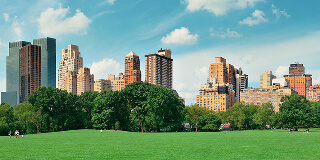
The Great Lawn
Perfect for summer concerts, picnics, and casual gatherings.
The Ramble
A wooded escape ideal for birdwatching and quiet walks.
Riverside Park
Stretching four miles along the Hudson River, Riverside Park is a jewel of the Upper West Side.
Recreational Facilities
The park features sports fields, bike paths, dog runs, playgrounds, and waterfront views.
Historical Monuments
Landmarks like Grant’s Tomb and the Soldiers’ and Sailors’ Monument add historical depth to the park’s beauty.
Community Gardens and Green Spaces
Local gardens and small parks offer peaceful environments for relaxation, reading, or enjoying nature.
Dining and Culinary Scene
Restaurants for Every Mood
The Upper West Side offers a broad selection of dining options, from casual cafés to upscale restaurants.
Classic Eateries
Long-established diners and restaurants contribute to the neighborhood’s familiar atmosphere, serving comfort food and traditional dishes.
Modern and Trendy Spots
Recent years have seen a rise in contemporary restaurants offering innovative cuisine, vegan options, and international flavors.
Coffee Shops and Bakeries
Charming bakeries and independent coffee houses can be found around nearly every corner, ideal for morning routines or quiet afternoons.
International Cuisine
Global dining options include Italian, Middle Eastern, Japanese, French, Indian, and Latin American restaurants.
Shopping and Retail Options
Broadway Shopping Corridor
Broadway is lined with retailers, bookstores, clothing shops, home goods stores, and specialty markets.
Local Boutiques
Independent shops give the neighborhood character, offering unique products from local artisans and designers.
Grocery and Specialty Food Stores
The Upper West Side is home to several major grocery chains, gourmet markets, organic food stores, and wine shops.
Arts and Cultural Attractions
Museums and Cultural Institutions
The neighborhood is rich with artistic and cultural experiences.
The New-York Historical Society
This museum offers exhibits highlighting the city’s history, art, and evolving identity.
Symphony Space
A community-focused venue hosting concerts, theater, film events, and readings.
Music, Theater, and Film
Independent cinemas, music venues, and local theaters provide diverse entertainment throughout the year.
Public Art and Installations
Seasonal exhibits and public art displays keep the neighborhood visually engaging and constantly evolving.
Education and Schools
Public Schools
The Upper West Side includes some of Manhattan’s highest-rated public schools, attracting families seeking strong academic programs.
Private and Charter Schools
Numerous private and charter institutions offer alternative educational environments.
Higher Education
Proximity to Columbia University and other academic institutions contributes to the area’s intellectual energy.
Public Transportation and Accessibility
Subway Lines
The Upper West Side is served by major subway lines including the 1, 2, 3, B, and C trains. These lines make travel throughout Manhattan quick and efficient.
Buses and Crosstown Options
Multiple bus routes run along Broadway, Columbus Avenue, Amsterdam Avenue, and across town, enhancing connectivity.
Walkability and Bike Access
The neighborhood is extremely walkable and bike-friendly, with well-maintained paths and easy access to the Hudson River Greenway.
Real Estate Market Trends
Housing Options
The Upper West Side offers a wide range of housing options: historic brownstones, classic prewar rental buildings, co-ops, and modern condos.
Market Conditions
The market shows steady demand due to the neighborhood’s reputation, school options, cultural attractions, and desirable location. Prices remain competitive but stable.
Who Moves to the Upper West Side
New residents include families looking for long-term stability, young professionals attracted to culture and convenience, and retirees seeking comfort and accessibility.