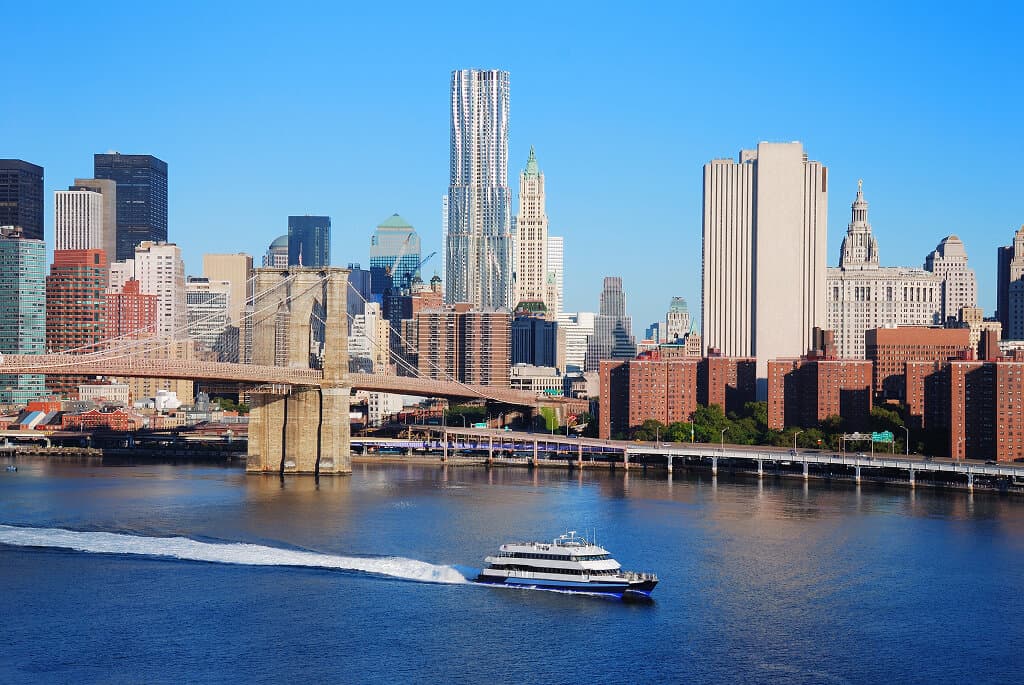
Moving to a new city can feel like stepping into a completely different world. Everything is unfamiliar, from the streets and neighborhoods to the rhythm of daily life. While the excitement of a fresh start is real, it often comes with a quieter challenge: building a new social circle from scratch.
For many people, this is the hardest part of relocating. Work might fill your weekdays, but evenings and weekends can feel long without meaningful connections. The good news is that making friends in a new city is not only possible, it can be one of the most rewarding parts of your experience if approached intentionally.
This guide walks you through practical strategies, mindset shifts, and real-life approaches that actually work. Whether you’re an introvert, extrovert, or somewhere in between, you’ll find ways to create genuine connections and feel at home faster.
Quick Summary
Moving to a new city can feel exciting but also isolating, especially when it comes to building a social circle. This guide explores why making friends is essential for emotional well-being, personal growth, and adapting to a new environment. It emphasizes that friendships not only improve daily life but also help you discover the city in a deeper, more personal way.
The article provides practical, step-by-step strategies to meet people, including using online platforms, joining clubs and classes, attending events, and exploring shared living or working spaces. Each method focuses on creating natural opportunities for interaction and building consistent connections over time.
It also highlights the importance of mindset. Being open to awkward moments, taking initiative, and staying authentic are key factors in forming real friendships. The guide encourages readers to say yes to opportunities, step outside their comfort zones, and approach the process with patience.
Safety is also addressed, offering simple but essential tips to ensure that meeting new people remains a positive and secure experience.
Finally, the article answers common questions about making friends in a new city, including how long it takes, how to overcome fear, and what to do when finding like-minded people feels difficult.
Overall, this guide is designed to help readers navigate the social side of moving with confidence, offering both practical tools and reassurance that meaningful connections are possible with the right approach.
Why Making Friends in a New City Matters
Friendship is more than just socializing. It plays a central role in how we experience a place and how quickly we adapt to it.
When you have people to share your time with, everything feels different. A simple walk through a neighborhood becomes more enjoyable. Trying new restaurants feels less intimidating. Even difficult days feel lighter when you have someone to talk to.
Building friendships also supports your mental well-being. Relocation can bring feelings of isolation, especially in the early weeks. Having even a small circle of acquaintances helps reduce stress and creates a sense of belonging.
There’s also a practical side. Friends often introduce you to local knowledge you won’t find online. They help you discover hidden spots, events, and opportunities that make the city feel more personal and less overwhelming.
Step-by-Step Ways to Meet New People
1. Use Social Media and Online Platforms
Digital tools are one of the easiest ways to connect with people before you even leave your home. The key is to use them actively, not passively.
Meetup.com
Meetup is designed specifically for connecting people with shared interests. You can find groups based on hobbies, professional interests, fitness, or even niche topics like photography walks or language exchange nights.
The advantage of Meetup is structure. Events are already organized, which removes the pressure of initiating plans yourself. Showing up is often the hardest step, but once you do, conversations tend to flow naturally because everyone is there for the same reason.
Facebook Groups
Local Facebook groups can be surprisingly effective. Search for groups related to your city, neighborhood, or interests. Many cities have “new in town” groups where people are actively looking to connect.
Engaging in posts, asking questions, or suggesting meetups can lead to real-world interactions. These groups often feel more casual than formal platforms, which can make them easier to navigate.
Eventbrite
Eventbrite is not just for large events. It also lists workshops, small gatherings, networking sessions, and creative classes. These events often attract people who are open to meeting others, which creates a natural environment for connection.
2. Join Local Clubs and Classes
One of the most effective ways to build lasting friendships is through repeated interaction. Clubs and classes provide exactly that.
Sports Clubs and Rec Leagues
Joining a sports club or recreational league introduces you to people regularly. Whether it’s soccer, yoga, running groups, or even casual fitness classes, shared physical activity breaks down barriers quickly.
You don’t have to be highly skilled. Many groups welcome beginners and focus more on participation than competition.
Language Cafés and Cultural Centers
If your city is diverse, language cafés and cultural centers are great places to meet people. These spaces often host events where people gather to practice languages or share cultural experiences.
The conversations tend to be open and welcoming, especially since everyone is there to learn and connect.
Community Classes and Societies
Look for classes in areas that genuinely interest you. Cooking classes, art workshops, photography groups, or even dance lessons can introduce you to people with similar passions.
The advantage here is depth. Shared interests often lead to deeper conversations and more meaningful connections over time.
3. Attend Events and Social Gatherings
Sometimes the simplest approach is the most effective: go where people are.
Networking and Community Events
Even if you’re not focused on career growth, networking events can be valuable socially. Many attendees are open to conversation and new connections.
The key is to approach these events with curiosity rather than pressure. Focus on conversations rather than outcomes.
Local Hangouts and Bars
Regularly visiting the same café, bar, or local hangout can help you become a familiar face. Over time, this familiarity often leads to casual conversations and eventually friendships.
Consistency matters more than intensity here. You don’t need to go out every night, but showing up regularly can make a difference.
Libraries and Book Clubs
Libraries often host events, workshops, and reading groups. Book clubs, in particular, create structured conversations, which can make it easier to connect with others.
They’re especially useful if you prefer quieter environments over busy social scenes.
4. Explore Co-Living and Shared Spaces
Your living environment can play a major role in how quickly you build a social circle.
Co-Living Arrangements
Co-living spaces are designed with community in mind. Residents often share common areas and participate in organized activities.
This setup naturally encourages interaction and reduces the effort required to meet people. For newcomers, it can be one of the fastest ways to build connections.
Coworking Spaces
If you work remotely, coworking spaces can replace the social aspect of a traditional office. Being around others during the day creates opportunities for casual conversations and collaboration.
Many coworking spaces also host events, workshops, and social gatherings.
Shared Airbnbs
Short-term shared accommodations can also lead to unexpected friendships. Living with others, even temporarily, creates opportunities for connection through shared experiences.
5. Leverage Your Existing Network
You might not be starting from zero as much as you think.
Friends of Friends
Let your existing friends know you’ve moved. They might have connections in your new city. Even a single introduction can open doors to a wider network.
Using Wider Connections
Professional networks, alumni groups, and online communities can also help. Reaching out may feel uncomfortable at first, but many people are willing to help or meet for a casual coffee.
Mindset and Attitude Tips for Making Friends
Embrace Awkward Moments
Awkwardness is part of the process. Conversations might feel forced at first, and that’s normal. The more you accept this, the easier it becomes to move past it.
Be Bold and Set Clear Intentions
If you want to make friends, you need to act on it. Initiate conversations, suggest meetups, and follow up with people you connect with.
Waiting for others to take the lead often slows the process.
Say Yes More Often
Opportunities to meet people don’t always look perfect. Saying yes to invitations, even when you’re unsure, can lead to unexpected connections.
Ditch People-Pleasing Tendencies
Authenticity matters more than trying to impress others. People connect more easily when you’re genuine.
Don’t Be Afraid to Seek Help
If you’re struggling, talk about it. Many people have been in the same situation and are willing to offer advice or support.
Safety Tips While Meeting New People
While meeting new people is exciting, it’s important to stay mindful of your safety.
Meet in public places for initial interactions. Cafés, parks, and well-known venues are ideal.
Let someone know where you’re going, especially when meeting someone new.
Trust your instincts. If something feels off, it’s okay to leave.
Avoid sharing too much personal information early on. Take time to build trust.
Final Thoughts and Encouragement
Building a social circle in a new city takes time, patience, and effort. It’s not always immediate, and there may be moments where it feels challenging.
However, every conversation, every event, and every small step contributes to something bigger. Over time, these efforts add up, creating a network of people who make the city feel like home.
The process is not about finding as many people as possible, but about building meaningful connections that enrich your experience.