Shared apartments have become one of the most popular ways to live in major cities, especially among students, young professionals, digital nomads, and newcomers trying to find their footing. Rising rent prices, flexible lifestyles, and the growing appeal of community-driven living have made shared housing more than just a temporary solution. For many, it is a lifestyle choice.
But shared living is not always as simple as splitting rent and sharing a kitchen. It comes with its own set of benefits, challenges, and unspoken rules that can shape your experience significantly.
If you are considering moving into a shared apartment, this guide will walk you through everything you need to know. From understanding what shared living really means to learning how to find the right roommates and create a comfortable environment, this article gives you a complete picture.
Quick Summary
Shared apartments offer a practical and flexible way to live, especially in cities where rent can be high and space limited. This article explored the concept of shared living in detail, starting with definitions and types of shared accommodation, including shared apartments, share houses, and co-living spaces.
It highlighted the key advantages, such as cost savings, social connections, and access to amenities, while also addressing potential drawbacks like privacy concerns, conflicts, and legal responsibilities.
The guide provided actionable advice on finding the right shared apartment and roommates, emphasizing the importance of compatibility, clear communication, and understanding lease terms.
Practical tips for daily living were also covered, including setting house rules, managing expenses, and maintaining a respectful environment. These steps help create a smoother and more enjoyable shared living experience.
Finally, the article discussed who shared living is best suited for and answered common questions to address typical concerns.
Overall, shared living can be a rewarding experience when approached thoughtfully. By understanding both the benefits and challenges, and by taking proactive steps to manage them, you can create a living situation that supports both your lifestyle and your goals.
If you are considering shared housing, start by identifying your priorities, exploring available options, and connecting with potential roommates. The right setup can offer not just a place to live, but a community to be part of.
What Is Shared Living?
Shared living refers to any arrangement where multiple people live in the same housing unit while sharing common spaces like the kitchen, living room, and sometimes bathrooms. While the concept may seem straightforward, there are several variations and nuances worth understanding.
Definitions: Shared Apartments, Share Houses, and Co-Living
A shared apartment typically involves multiple individuals renting separate rooms within one apartment while sharing communal areas. Each person usually has their own lease or agreement, depending on the setup.
A share house is similar but often refers to a larger property, such as a standalone house, where multiple tenants live together.
Co-living takes shared living a step further. It often includes furnished spaces, organized community events, and services such as cleaning or maintenance. Co-living spaces are designed to foster connection and convenience.
Differences Between Roommates, Flatmates, and Cohabitants
The terms roommates and flatmates are often used interchangeably, but they can carry slightly different meanings depending on the region.
Roommates generally refer to people sharing the same living space, sometimes even a bedroom. Flatmates typically share an apartment but have separate rooms.
Cohabitants is a broader term that includes anyone living together, regardless of the relationship or arrangement.
Types of Shared Accommodation
Shared accommodation comes in different forms. Some setups are informal, where one tenant sublets a room. Others are more structured, with contracts and clearly defined responsibilities.
There are also hybrid arrangements, where landlords manage shared apartments and provide additional services. Understanding the type of setup helps you know what to expect.
Advantages of Living in Shared Apartments
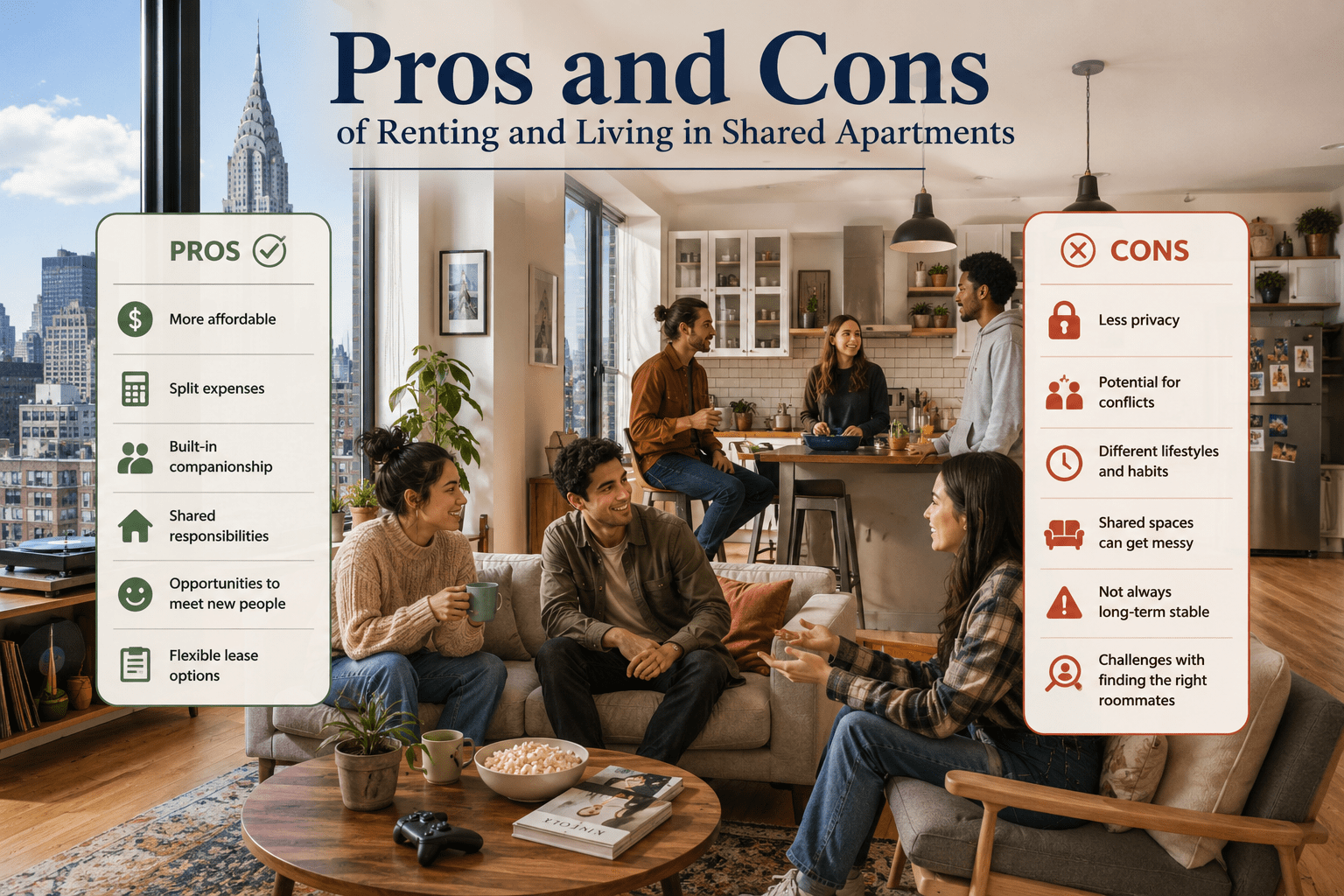
Shared living continues to grow in popularity because of its practical and social benefits. For many, it offers a more accessible way to live in desirable locations.
Lower Costs and Flexible Living Options
One of the biggest advantages is affordability. Splitting rent, utilities, and other expenses makes living in expensive cities more manageable.
Shared apartments also offer flexibility. Short-term leases, furnished options, and fewer upfront costs make it easier to move in and out without long-term commitments.
This is especially appealing for people who are new to a city or exploring different living arrangements.
Social Connections and Community Feel
Living with others creates opportunities for connection. Whether it is casual conversations in the kitchen or shared activities, these interactions can lead to meaningful friendships.
For newcomers, shared living can ease the transition into a new environment. It reduces isolation and provides a built-in social network.
Access to Amenities and Networking Opportunities
Many shared apartments and co-living spaces include amenities that might be difficult to afford alone. These can include furnished living areas, cleaning services, or even coworking spaces.
In some cases, shared living environments also create networking opportunities. Living with people from different industries or backgrounds can lead to new ideas and collaborations.
Disadvantages of Living in Shared Apartments
While shared living offers many benefits, it also comes with challenges that should not be overlooked.
Privacy Concerns and Personal Boundaries
One of the most common concerns is the lack of privacy. Sharing spaces means less control over your environment.
Even with a private room, noise, shared facilities, and differing schedules can impact your sense of personal space.
Potential Conflicts and How to Manage Them
Living with others inevitably leads to differences in habits and expectations. Conflicts can arise over cleanliness, noise, or shared responsibilities.
The key is not avoiding conflict, but learning how to handle it. Clear communication and mutual respect play a major role in resolving issues.
Understanding Legal and Lease Responsibilities
Shared living arrangements can sometimes involve complex lease agreements. It is important to understand your responsibilities, including rent payments, utilities, and potential liabilities.
In some cases, tenants share responsibility for the entire lease, which can create complications if someone moves out unexpectedly.
How to Find the Right Shared Apartment and Roommates
Finding the right place and the right people can make all the difference in your shared living experience.
Where to Search: Online Platforms and Local Resources
Online platforms are one of the most common ways to find shared apartments. Websites, social media groups, and rental platforms often list available rooms and shared housing opportunities.
Local resources, such as community boards or university networks, can also be valuable. These often provide more reliable and community-based options.
What to Look for in a Shared Apartment Lease
Before committing to a shared apartment, review the lease carefully. Look for details about rent, deposits, utilities, and rules regarding shared spaces.
Understanding these terms helps prevent misunderstandings later on.
Tips for Screening and Choosing Compatible Roommates
Compatibility is just as important as the apartment itself. Take time to talk with potential roommates about habits, schedules, and expectations.
Ask questions about cleanliness, noise levels, and lifestyle preferences. This helps ensure a better match and reduces the likelihood of conflict.
Living in a Shared Apartment: Practical Tips
Once you move in, maintaining a positive living environment requires ongoing effort.
Establishing House Rules and Shared Responsibilities
Setting clear house rules early on helps create structure. These rules can cover cleaning schedules, quiet hours, and shared responsibilities.
Having agreed-upon guidelines reduces confusion and keeps everyone accountable.
Managing Shared Expenses and Chores
Shared expenses should be tracked and divided fairly. Using apps or simple systems can help manage payments and avoid disputes.
Chores should also be distributed evenly. Rotating responsibilities ensures that no one feels overburdened.
Creating a Harmonious Living Environment
Respect, communication, and flexibility are key to a harmonious environment.
Small actions, like cleaning up after yourself or being considerate of others’ schedules, can have a big impact.
Who Is Suitable for Shared Living?
Shared living is ideal for individuals who value flexibility, affordability, and social interaction.
It works well for students, young professionals, and people relocating to a new city. It is also suitable for those who enjoy community-oriented environments.
However, it may not be the best fit for individuals who require a high level of privacy or prefer complete control over their living space.