There’s a moment in every city dweller’s life when the question hits: should I finally get my own place, or keep sharing space with others? It sounds simple, but the decision shapes everything from your finances to your daily mood.
Living alone has a certain appeal. It promises quiet mornings, control over your environment, and a sense of independence that feels like a milestone. On the other hand, living with roommates can mean shared costs, built-in company, and a more social way of experiencing city life.
For young professionals, students, and anyone navigating life in a fast-moving city, the choice is not just about rent. It’s about lifestyle, habits, priorities, and what kind of environment helps you function at your best.
This guide breaks down both options in detail, helping you understand what each one really looks like beyond the surface. By the end, you’ll have a clear idea of what fits your situation, your goals, and your personality.
Quick Summary
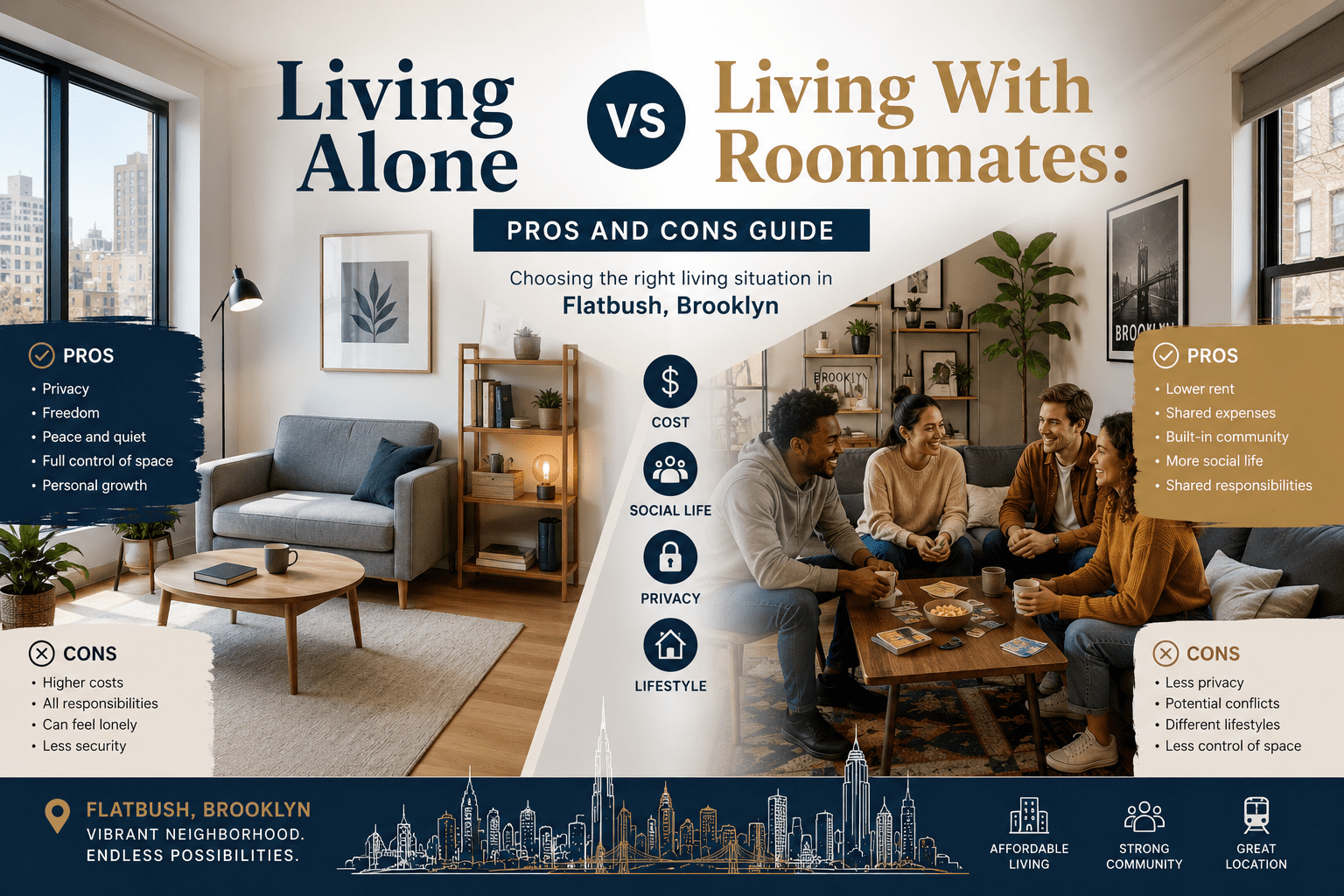
Living alone and living with roommates are two common housing options, each offering distinct advantages and challenges. Living alone provides full independence, privacy, and control over your environment. It allows you to create a routine and space that fully reflects your preferences. However, it also comes with higher costs, full responsibility for household tasks, and the potential for loneliness.
Living with roommates, on the other hand, is typically more affordable because expenses are shared. It also offers built-in social interaction and shared responsibilities, which can make daily life easier. However, it requires compromise, communication, and the ability to adapt to other people’s habits and lifestyles.
The decision between these two options depends on several key factors, including budget, lifestyle preferences, personality, and long-term goals. Those who prioritize independence and personal space may find living alone more suitable. Those who value affordability and social interaction may prefer living with roommates.
Finding the right roommate is crucial for a positive shared living experience. Compatibility in lifestyle, communication, and expectations can significantly impact how comfortable and enjoyable the arrangement is.
Transitioning to living alone requires preparation, including developing routines, learning practical skills, and maintaining social connections. While it can be a big adjustment, it also offers opportunities for personal growth and self-reliance.
Ultimately, there is no one-size-fits-all answer. The best choice is the one that aligns with your current needs and helps you maintain a balanced, comfortable lifestyle in your living environment.
1. Understanding Your Living Options
Before diving into pros and cons, it’s important to define what each living arrangement actually involves in real life.
What Does It Mean to Live Alone?
Living alone means having your own private space, whether it’s a studio, a one-bedroom apartment, or even a small house. Everything in that space is yours to manage, from rent payments to cleaning, groceries, and maintenance.
Full Control Over Your Environment
You decide:
- When to wake up or go to sleep
- What the apartment looks like
- How clean or messy things get
- Who enters your space and when
There’s no negotiation involved, which is one of the biggest appeals.
Total Responsibility
At the same time, living alone means handling everything yourself. There’s no one to split costs with or share responsibilities. Every task, from paying bills to fixing minor issues, falls on you.
What Does It Mean to Live With Roommates?
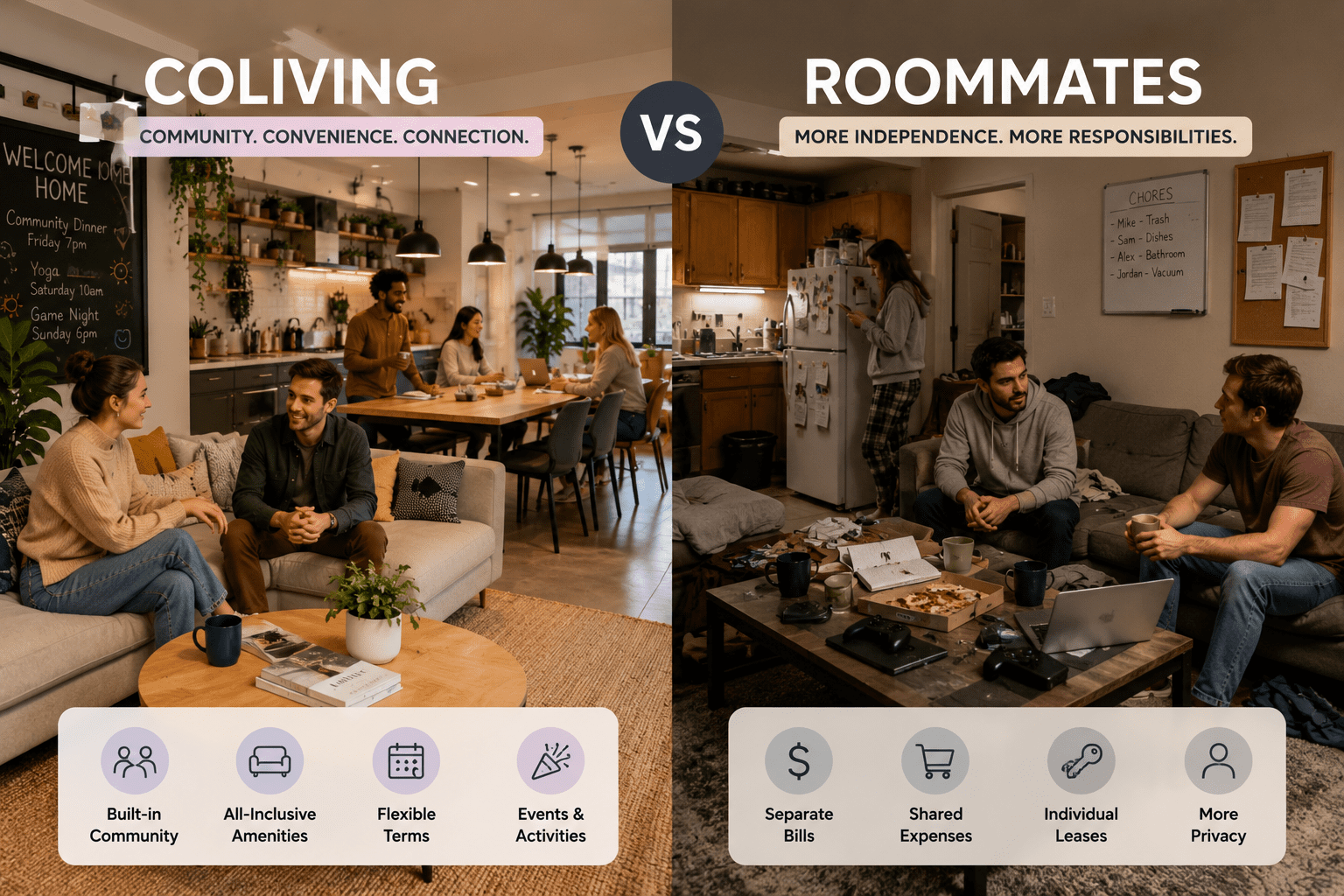
Living with roommates means sharing a living space with one or more people. This could be an apartment, a house, or any shared housing setup.
Shared Costs and Responsibilities
Expenses like rent, utilities, and internet are usually divided among everyone. Household tasks are also shared, though how they’re divided depends on the group.
A Social Living Environment
Roommates can turn your living space into a social environment. Whether it’s casual conversations in the kitchen or shared dinners, there’s often a sense of activity.
However, this also means adapting to other people’s habits and schedules.
2. The Pros and Cons of Living Alone
Living alone is often seen as a sign of independence, but it comes with both advantages and challenges.
Top 5 Benefits of Living Alone
1. Complete Privacy
You don’t have to share your space with anyone. This means no interruptions, no compromises, and full control over your personal environment.
2. Freedom of Routine
Your schedule is entirely your own. Whether you prefer early mornings or late nights, you don’t need to adjust to anyone else.
3. Personal Space for Growth
Living alone often encourages independence. You learn to manage your time, finances, and responsibilities without relying on others.
4. Control Over Cleanliness and Organization
You decide how your space is maintained. If you like things clean and organized, you won’t have to depend on others to keep it that way.
5. A Calm and Predictable Environment
There’s a certain peace that comes with living alone. You know exactly what to expect each day, which can reduce stress.
Common Challenges of Living Alone
Higher Costs
Rent, utilities, and other expenses are not shared. This can make living alone significantly more expensive, especially in major cities.
Potential Loneliness
Without regular interaction at home, it’s easy to feel isolated, especially if your social life is limited.
Full Responsibility
Every task falls on you. There’s no one to help with chores, errands, or unexpected issues.
Lack of Immediate Support
If something goes wrong, whether it’s a broken appliance or a difficult day, you don’t have someone readily available at home.
3. The Pros and Cons of Living With Roommates
Sharing space can be rewarding, but it also requires compromise and communication.
Key Advantages of Having Roommates
Lower Living Costs
Sharing rent and utilities makes housing more affordable. This is often the main reason people choose this option.
Built-in Social Interaction
Roommates can provide companionship, making daily life feel less isolated. This is especially helpful when moving to a new city.
Shared Responsibilities
Tasks like cleaning, grocery shopping, and maintenance can be divided, reducing individual workload.
Flexibility in Housing Choices
With shared costs, you may be able to afford a larger or better-located space than you could on your own.
Potential Drawbacks of Sharing Space
Privacy Limitations
Shared spaces mean less personal privacy. Noise, visitors, and different schedules can affect your comfort.
Conflicts and Disagreements
Differences in habits, cleanliness, and communication styles can lead to tension.
Dependence on Others
Your living experience depends heavily on your roommates. If they don’t meet expectations, it can impact your daily life.
Lack of Control
Decisions about the home often need to be agreed upon, which can limit your flexibility.
4. Finding the Right Roommate
If you choose to live with roommates, the people you live with will have a major impact on your experience.
Importance of Compatibility
Compatibility goes beyond basic preferences. It includes communication style, daily routines, and expectations around shared spaces.
Why It Matters
Even small differences can become significant over time. Aligning on key habits can prevent unnecessary stress.
Shared Values and Lifestyle Match
Living with someone who has a similar lifestyle can make things easier.
Consider factors like:
- Work schedules
- Social habits
- Cleanliness standards
- Noise tolerance
The more aligned these are, the smoother the experience will be.
Tips for Choosing a Roommate
- Have open conversations before moving in
- Set clear expectations about responsibilities
- Discuss financial arrangements in detail
- Trust your instincts during the selection process
Taking time to choose carefully can prevent future problems.
5. Tips for Transitioning to Living Alone
Moving into your own space is a big change. It requires adjustments, but it can also be rewarding.
Set a Daily Routine
Creating structure helps maintain balance. A consistent routine can make living alone feel more stable and manageable.
Develop Practical Life Skills
Living alone means handling everything yourself. Learning basic skills like cooking, budgeting, and maintenance becomes essential.
Stay Social and Connected
Make an effort to maintain relationships outside your home. Regular social interaction helps prevent isolation.
Establish Personal Boundaries
Your space is yours. Use it in a way that supports your well-being, whether that means setting work-life boundaries or creating a relaxing environment.
Ask for Support When Needed
Independence doesn’t mean doing everything alone. Reach out to friends, family, or professionals when necessary.
6. Conclusion: What’s Best for You?
Choosing between living alone and living with roommates is not about finding a universally better option. It’s about understanding what works for you at a particular stage of your life.
Living alone offers independence, control, and a sense of personal space that can be deeply rewarding. It’s ideal for those who value privacy and are comfortable managing everything on their own.
Living with roommates, on the other hand, provides affordability, shared experiences, and a social environment that can make city life more engaging.
Your decision should reflect your priorities. Think about your budget, your need for privacy, your social habits, and how much responsibility you’re ready to take on.