Tribeca is one of those Manhattan neighborhoods that never needs to shout to be noticed. It sits quietly in downtown NYC, confident in its history, architecture, and lifestyle. Known for cobblestone streets, expansive lofts, and an upscale yet relaxed atmosphere, Tribeca attracts people who want space, culture, and refinement without chaos.
In 2026, Tribeca continues to evolve while staying grounded in its historic identity. It is chic but practical, artsy but residential, vibrant without being overwhelming.
This guide explores what makes Tribeca one of the most desirable urban neighborhoods in New York City, from its past to its present-day living experience.
Quick Summary
This guide offers a complete look at Tribeca, one of Manhattan’s most historic and upscale neighborhoods. It explores Tribeca’s transformation from an industrial district into a chic, residential area known for loft living, strong community, and refined urban lifestyle.
The article covers architecture, cobblestone streets, dining and cafes, shopping boutiques, galleries, and artsy culture. It also explains real estate trends, transportation access, parks, and community events.
Together, these sections provide a clear picture of why Tribeca remains one of the most desirable places to live and visit in downtown NYC.
History of Tribeca
Tribeca’s story begins long before it became a luxury residential enclave. In the 18th and 19th centuries, this part of Manhattan functioned as farmland before transforming into a key industrial and shipping zone.
Warehouses, dry goods stores, and commercial buildings filled the area, shaping the strong architectural backbone that still defines Tribeca today.
Decline and Opportunity
As shipping methods changed in the mid-20th century, many businesses left downtown. Tribeca entered a period of decline, with underused buildings and quiet streets.
What looked like failure at the time became opportunity for artists and creatives searching for affordable space.
The Loft Revolution
By the 1970s, artists began converting industrial buildings into live-work lofts. These large, light-filled spaces quickly gained attention. Over time, zoning laws adapted, and Tribeca became one of NYC’s first true loft-living neighborhoods.
Tribeca in 2026
Today, Tribeca is firmly established as one of the most upscale and desirable neighborhoods in New York City. It balances its historic foundation with modern luxury, attracting residents who value quality, privacy, and design.
Architecture and Landmarks
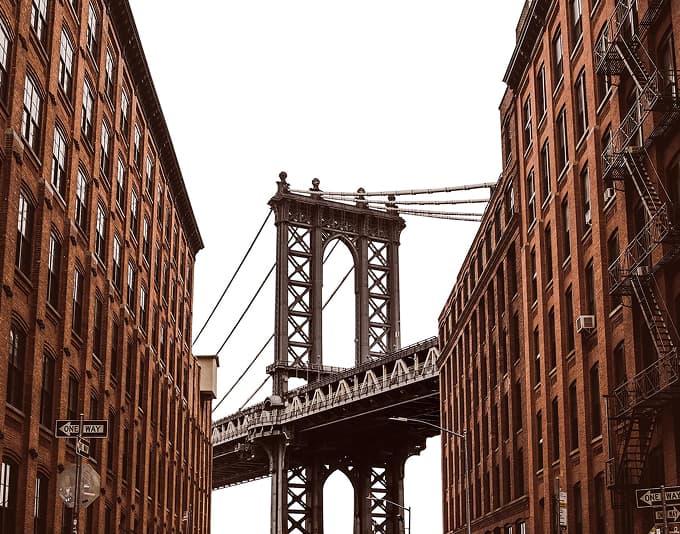
Tribeca’s architecture is one of its strongest defining features. The neighborhood is filled with preserved industrial buildings featuring cast-iron facades, brick exteriors, oversized windows, and original loading bays.
Cobblestone Streets
Walking through Tribeca feels different from most of Manhattan. Cobblestone streets slow things down, adding texture and character. These streets contribute to Tribeca’s timeless atmosphere and are a major draw for residents and visitors alike.
Notable Landmarks
The AT&T Long Lines Building remains one of Tribeca’s most recognizable landmarks. While controversial, it reflects the neighborhood’s layered history. Smaller historic buildings and former warehouses also serve as everyday landmarks that shape the area’s identity.
Dining and Nightlife
Tribeca has become one of the strongest restaurant districts in downtown NYC. The dining scene here is less about trends and more about consistency, craftsmanship, and experience.
Restaurants for Every Mood
From Michelin-recognized fine dining to relaxed neighborhood spots, Tribeca restaurants cater to a wide range of tastes. Many focus on seasonal menus and thoughtful sourcing, making dining feel intentional rather than performative.
Cafes and Casual Spots
Cafes play a central role in daily life. Coffee shops double as workspaces, meeting points, and social hubs. These cafes reinforce the neighborhood’s strong sense of community.
Nightlife Without the Chaos
Tribeca nightlife is refined. Cocktail lounges, wine bars, and hotel bars dominate the scene, offering a calm alternative to louder downtown areas. The vibe is social, chic, and conversation-driven.
Shopping and Boutiques
Tribeca is not a mass shopping destination, and that is intentional. Shopping here is curated, personal, and design-focused.
Boutiques and Specialty Stores
Independent boutiques offer fashion, home goods, books, and lifestyle products. Many emphasize craftsmanship, sustainability, and artistic expression.
Everyday Convenience
Despite its luxury reputation, Tribeca is highly practical. Grocery stores, fitness studios, and essential services are seamlessly integrated into the neighborhood.
Arts and Culture Scene
Tribeca’s galleries often focus on contemporary and experimental work. While smaller than Chelsea’s gallery scene, Tribeca galleries prioritize quality and curation.
Tribeca Film Festival
The Tribeca Film Festival remains the neighborhood’s most influential cultural event. It celebrates storytelling across film, music, and digital media, drawing global attention to the area.
An Artsy Identity
Art is woven into daily life here. From galleries to public installations, Tribeca maintains an artsy atmosphere without feeling tourist-driven.
Parks and Outdoor Spaces
Tribeca offers easy access to Hudson River Park, one of the best outdoor spaces in Manhattan. Residents enjoy walking paths, cycling lanes, and river views just minutes from home.
Quiet Streets and Plazas
Smaller parks and open areas provide calm spaces for relaxation. These spots support Tribeca’s residential and family-friendly appeal.
Real Estate Market
Tribeca real estate is defined by lofts. High ceilings, open layouts, and architectural details attract buyers looking for space and flexibility.
Luxury With Longevity
Tribeca consistently ranks among the most expensive neighborhoods in NYC. Prices reflect limited inventory, strong demand, and long-term value.
Who Lives Here
Residents include creatives, executives, entrepreneurs, and families. Many choose Tribeca for its privacy, community, and understated luxury.
Transportation and Accessibility
Multiple subway lines serve Tribeca, making it easy to reach other parts of Manhattan, Brooklyn, and beyond.
Walkable Urban Living
Tribeca is highly walkable. Dining, shopping, parks, and services are all within easy reach, reinforcing its urban convenience.
Community Events and Festivals
Community events, pop-ups, and markets bring residents together throughout the year.
Seasonal Celebrations
Holiday installations, outdoor screenings, and cultural events add energy while preserving the neighborhood’s calm tone.
Notable Residents
Tribeca has long attracted filmmakers, artists, and media professionals drawn to its space and privacy.
Business and Tech Leaders
In recent years, business leaders and tech founders have also made Tribeca home, appreciating its balance of sophistication and discretion.