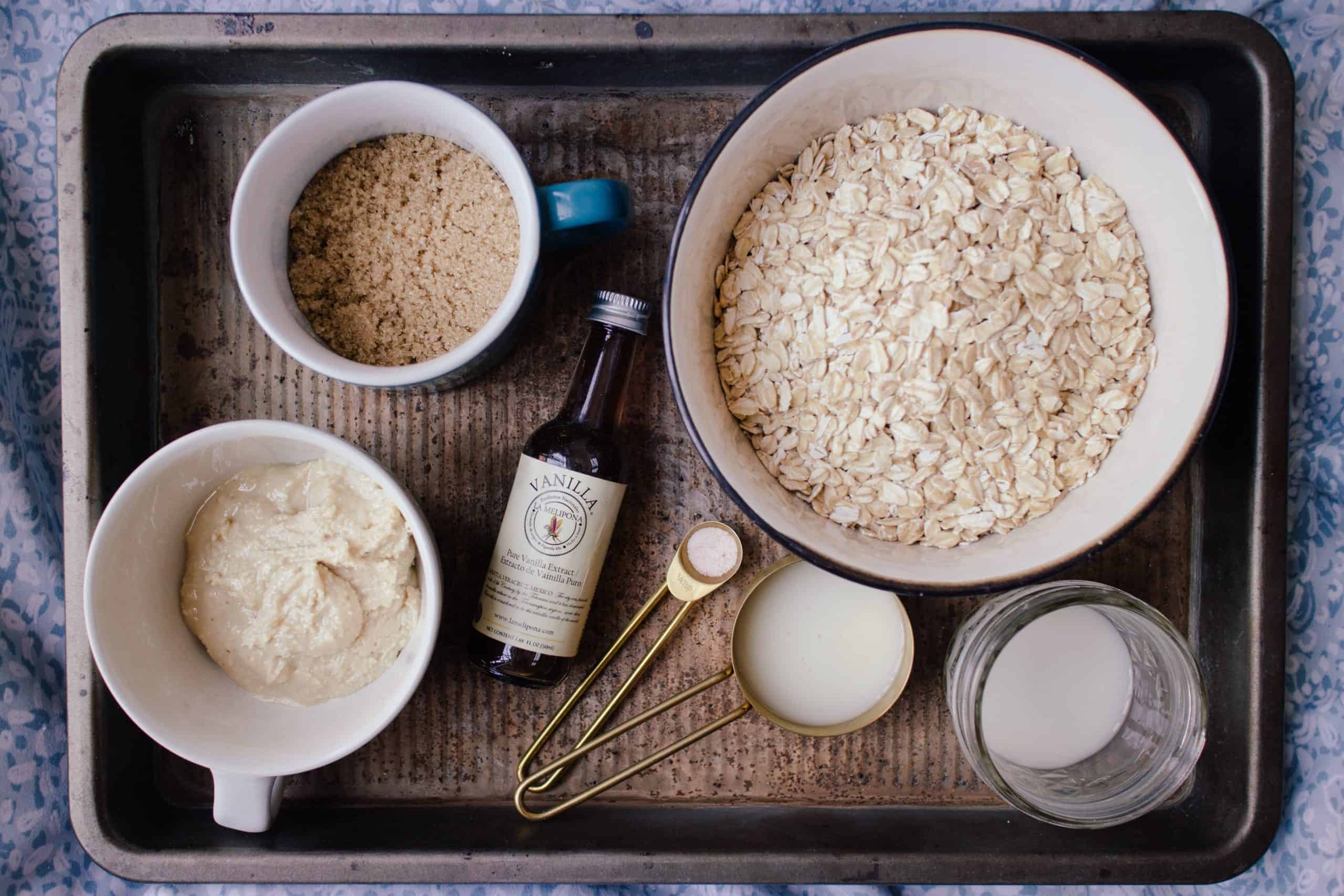
Dear Residents, this week Allondra Gonzales – nutrition professional and our resident made an article on meal preparation. Let’s continue our healthy eating journey together!
Who hasn’t stayed late at work left with little motivation to shop and cook? A busy schedule is a common reason why many individuals choose quick ready to eat meals, often high calorie meals that can lead to undesired weight gain. Fast food and takeout usually consists of high amounts of saturated fat which is a type of fat that is distributed in the abdominal area rather than evenly throughout the body. A hectic schedule can lead to unhealthy eating behaviors and in the long run, this consequently could lead to health conditions such as heart disease and diabetes. With meal preparation techniques and time management, we can still save time and eat healthier.
Benefits of meal prepping include saving money, helping with weight control since you have more control of ingredients and portions, having an overall more nutritionally balanced plate, and reducing stress related to having to make last minute decisions on what to eat. How do you get started when deciding to meal prep? Pick the same day of the week to complete the following:
1) Plan the menu for the week by looking for recipe ideas and saving them.
2) Make a grocery list.
3) Do the meal prep or at least most of the cooking.
Before you select which meals to cook, take inventory at least twice a month on what you have in stock so you can plan meals around what you already have before buying more.
Revolve your planned meals on foods that are your favorite and tailor them to meet your specific goals. For example, if you are trying to gain weight, you will want to eat meals high in calories coming from healthy fat such as olive oil, fatty fish, seeds, and nuts. If you are looking to loose weight, you will want to eat meals that are lower in calories by making your plate mostly vegetables and making sure to have less calorie dense foods such as cheese, whole milk, butter, red meat, sweetened beverages, processed and baked items. When you begin meal prepping, it works best to ease into it so that you can get the handle of it; do this by starting small by meal prepping for the next 3 days of the week. Also, you want food to be as fresh as possible so it is preferable to meal prep at least twice a week. You can meal prep for the whole weak in one day, just keep in mind that once you get to the end of your week, the food may not be as fresh and you want it to be.
How do you design your meal so that it can meet all of your nutrient requirements? First you want to have clean containers available to be filled depending on the amount of meals you want to meal prep for. You want to fill one fourth of your container with a fiber rich starch food such as: whole wheat bread, pasta, rice, or beans. Next, fill one fourth of your container with a lean protein source such as: grilled/baked chicken or fish, tofu, tempeh, eggs, or lean cuts of red meat. The last half of the container should be filled with nutrient rich vegetables such as: carrots, broccoli, asparagus, leafy greens, brussel sprouts, and beets. Lets not forget about snacks when meal prepping! Planned snacks are great for satisfying those midday cravings. Ideas include nuts/seeds with fruit, veggie sticks with hummus, yogurt with granola, and tortilla chips with guacamole.
Foods that don’t usually meal prep well are softer fruits and vegetables such as lettuce, berries, and cut fruit, crunchy items such as fried foods, crackers, or chips, foods that will absorb moisture such as croutons for salad, and certain sauces mixed in meals so try to avoid using these foods to meal prep. Add a label with the date to the meals you make so you can keep track pf which meals are less fresh to avoid spoilage. It is also important to bring to the front the most perishable items and foods made first. You can save money by planning recipes around items that are on sale at the grocery store you shop at. Many grocery stores have a rewards card you can sign up for or see if that store has an app where you can electronically clip coupons. It is also important to be flexible with modifying ingredients to planned meals if there are cheaper options available.
When you go to the grocery store, do not shop an an empty stomach or you are likely to overbuy food and select options based on your craving at the time of shopping. Also, choose a time of the week that is less busy such as during the weekday, using a checklist method, and seeing if the grocery store has the option of grocery pick up. When using the grocery store pick up service, all you need to do is add food items to your virtual cart and pay electronically. Once you get to the store they have it packaged and ready for you; this method also helps you stick to your shopping list. It is important to buy only what you need. Buying frozen vegetables rather than fresh is a good option for preventing waste and having the flexibility to use it at a different time. When shopping for fresh produce, by the freshest so that it can last longer.
Stay on track by starting this meal prepping journey with a friend or roommate to help keep each other accountable. Assign your meal preparation into your schedule or planner. Also, keep in mind that if you fall out of sync, its okay, start again. Choose foods that are delicious or use this as an opportunity to explore a cuisine you have been wanting to try. Cooking should be enjoyable! It helps if you cook with others, have your favorite music in the background, experiment with different herbs and spices. When we are conscious about what you put into your body, you will appreciate health more as you see how a healthier eating pattern help you feel better. Meal prepping is one step in the right direction to living your best and most healthy life!